

I bought the Tree of Life Beauty Vitamin C Skin Care Set in early March because I was tired of uneven skin tone on my cheeks and a general flatness that no amount of moisturizer seemed to fix. I have combination skin, oily through the T-zone and dry along the outer cheeks, and I had been cautious about vitamin C products for a few years after a poorly-formulated serum from a now-discontinued brand left my face red and stinging for two days. This time I wanted something affordable enough to test without regret, and this set had over 143,000 reviews on Amazon with a 4.4-star average. I figured if it was wrong for my skin, I had not lost much. I used it every morning for three months before writing this.
The short version: it works, but not the way the more dramatic before-and-after photos suggest. The brightening effect is real and cumulative. The texture is one of the best I have used at this price point. The results are modest in the best possible sense: noticeable enough that coworkers commented, not so dramatic that anyone asked if I had done anything. If you are looking for a vitamin C serum that does what it says without irritating sensitive or reactive skin, this is a reasonable starting point.
The Quick Verdict
A well-formulated vitamin C serum with a comfortable texture and genuine brightening effect over time, held back only by a vitamin C concentration that could be higher for skin that can handle more.
Amazon Check Today's Price →If your skin looks flat and nothing has shifted it yet, this is the serum I would try first.
The Tree of Life Vitamin C Skin Care Set comes with the serum plus a face oil, currently at a price that makes it worth testing for a full month. Check the current price on Amazon before it changes.
Amazon Check Today's Price on Amazon →How I Used It
My routine during the test was consistent. I cleanse in the morning with a gentle low-pH cleanser, pat dry, and wait about two minutes before applying serum. I applied three to four drops of the Tree of Life Vitamin C serum to my fingertips and pressed it into my face starting with the cheeks and forehead, then working in toward the nose and chin. I followed with a plain ceramide moisturizer and SPF 30. I did not skip the sunscreen on a single day of the test. Vitamin C is doing work to address hyperpigmentation and then sunscreen is protecting that work from being undone. Both steps matter.
I did not use the included face oil every day. The face oil is a separate product in the set, and during the first month I would use it two to three evenings a week over my night moisturizer. By month two I had mostly set it aside for mornings when my skin felt especially dry. It is a light oil with a slightly sweet scent, and it layers without pilling, but it is not the reason I would buy this set. The serum is.
There was no adjustment period for me with this formula. No tingling, no redness, no purging. I had been nervous about that going in. The formula sits at a pH where L-ascorbic acid (the vitamin C form in most effective serums) is stable and absorbable but not so acidic that it irritates. My skin type is combination but it also runs reactive, and I finished the three months without a single irritation event I could attribute to this product. That kind of clean test period on reactive skin is worth noting.
What the Formula Actually Contains
The serum is water-based and contains L-ascorbic acid alongside vitamin E (tocopherol) and ferulic acid. That trio is what most dermatologists point to when they talk about a vitamin C serum worth buying. Ferulic acid stabilizes vitamin C in formulas that would otherwise oxidize quickly, and it also boosts the antioxidant activity of both the vitamin C and the vitamin E. The combination means the serum has a better shelf life than a vitamin C-only formula and likely performs better on skin exposed to daily UV and pollution.
What the brand does not publish is the exact concentration of vitamin C, and that is worth noting. Most effective vitamin C serums run between 10 and 20 percent. Below 10 percent you may see minimal results on more resilient skin types. Above 20 percent you start to see more irritation, which is why formulas targeting sensitive skin often stay in the 10 to 15 percent range. Based on how my skin responded and on the results I observed over 12 weeks, I suspect this sits somewhere around 10 to 12 percent. It is enough to produce visible brightening over time. It is probably not enough for someone who wants fast, visible fading of deep post-blemish marks.
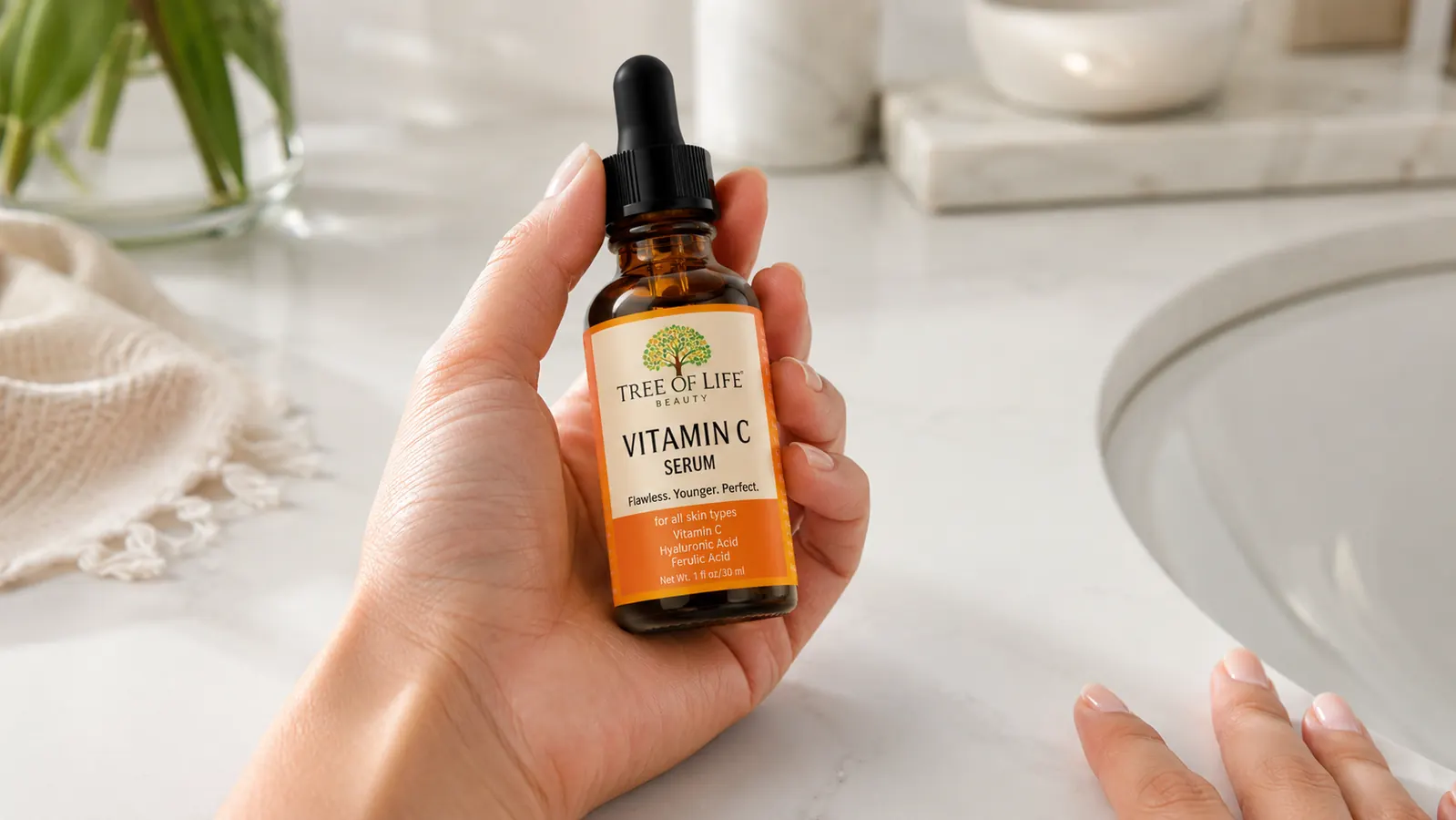
The texture is what impressed me most before any results were visible. It is a lightweight water-serum, almost water-thin, with no sticky residue. It absorbs within about 30 seconds and does not pill under moisturizer or sunscreen. I have used vitamin C serums that felt slippery and never quite settled, and I have used ones that left a slightly tacky film. This is neither. By the time I finish pressing it in, it feels like nothing is on my face at all, which is exactly what you want from a morning serum. This is also what makes it easy to pair with a separate SPF or tinted moisturizer without disrupting either layer.
What Changed in Three Months
By the end of week four I noticed the dark spot near my right jaw, a remnant of a blemish from about a year ago, had started to fade. It was subtle. I would not have noticed it if I had not been photographing my skin every two weeks for this review. By week eight it had faded enough that I stopped bothering to try to cover it with tinted moisturizer. At the end of week twelve it was still visible in direct light but not in normal indoor light.
The overall brightness improvement was more apparent to other people than it was to me, which is often how a slow, cumulative change works. Two coworkers, on separate occasions, asked if I had been sleeping more or changed something about my routine. I had not changed anything except adding this serum. My skin looked less gray and tired, which is the best way I can describe it. It was not glowing in a dewy, overlit Instagram-filter sense. It just looked like skin that was in better condition.
By week eight the post-blemish spot near my jaw had faded enough that I stopped reaching for tinted moisturizer to cover it. That is the result I came in looking for.
Texture on my forehead stayed about the same, which is fine because texture was not the issue I was trying to address. Pore size was not noticeably different, and I did not expect it to be. Vitamin C is not a pore-minimizing ingredient. It is a brightening and antioxidant ingredient, and on both of those fronts it delivered. Skin felt marginally more even through my T-zone, probably because of the overall improvement in skin condition rather than any direct oil-control effect.
I want to be direct about what did not change. My skin still gets oily by early afternoon through the nose and forehead. I still have some texture on my chin that predates this test and did not shift. Vitamin C is not the tool for those concerns. If someone is buying this hoping for oil control, pore tightening, or texture smoothing, they will be disappointed. The ingredient works through a different pathway and sets a different expectation. That is not a flaw in this product, just a common misunderstanding about what vitamin C does.
Packaging and Stability
The serum comes in a dark amber glass dropper bottle, and that matters more than it might seem. Vitamin C oxidizes when exposed to light and air. Dark glass slows that process. The dropper reduces the amount of product exposed to air with each use compared to a pump or open-top design. I kept mine in a drawer, not on a shelf, which is how I recommend storing any vitamin C serum. By the time I finished the bottle at around the 11-week mark, the serum was still pale yellow and did not smell off. An oxidized vitamin C serum turns orange or brown and has a slightly metallic scent. This stayed clear throughout.
One minor complaint: the dropper sometimes lets in more product than I want. The rubber bulb is a bit loose, and if I squeeze and release too quickly I get five drops instead of three. I went through the serum slightly faster than expected as a result. It is a small issue and not a dealbreaker at this price, but it is the kind of thing that matters if you are comparing cost-per-week across multiple products.

Alternatives I Considered
I compared this against three other vitamin C serums I have tested in the past two years. The CeraVe Vitamin C serum is the closest competitor at a similar price point. It has a thicker, more lotion-like texture that some people prefer and some people find leaves too much residue before they apply sunscreen. The TruSkin Vitamin C serum is slightly more concentrated, which makes it more effective for faster results but also more likely to cause irritation on sensitive skin types like mine. Paula's Choice C15 Super Booster sits at a significantly higher price and does show faster results, but nothing in that formula is doing something the Tree of Life cannot do over a longer timeline.
For someone new to vitamin C serums, Tree of Life is where I would tell them to start. The texture is approachable, the irritation risk is low, and the price means you can commit to a full three-month trial without it feeling like a gamble. For someone who already uses vitamin C regularly and wants faster fading of post-inflammatory marks, a higher-concentration formula will get there sooner. I would also point returning vitamin C users toward checking whether they are storing their current serum correctly, because an oxidized bottle is doing almost nothing regardless of brand.
What I Liked
- Very comfortable texture, absorbs fast and leaves no sticky residue
- L-ascorbic acid, vitamin E, and ferulic acid combination is well-documented and effective
- Dark amber glass dropper bottle protects the formula from light-related oxidation
- Low irritation risk, suitable for combination and reactive skin types
- Cumulative brightening effect is visible at 8 to 12 weeks of daily use
- Set includes a face oil that layers without pilling and works well on dry skin days
Where It Falls Short
- Vitamin C concentration is not disclosed, likely on the lower end of the effective range
- Results are slow, not the right pick if you want visible fading within a month
- Dropper bulb is slightly loose and releases more product per use than intended
- Face oil has a sweet scent that may not suit everyone
- Not the strongest option for stubborn deep hyperpigmentation or faster-paced treatment goals
Who This Is For
This serum is a good fit for someone new to vitamin C who wants to see whether their skin responds well to the ingredient before investing in a more expensive or more concentrated formula. It is also a good fit for combination or sensitive skin types where lower-concentration, well-formulated options cause less friction in a routine. If your main concern is overall dullness and mild post-blemish discoloration, and you are willing to wait two to three months for gradual visible change, this will deliver. The price also makes it easy to recommend as a repeat purchase, which matters more than it sounds once you realize how quickly a dropper bottle disappears.
Who Should Skip It
If you have used vitamin C serums before without irritation and are looking for faster, more dramatic fading of deeper marks, this formula is probably not concentrated enough to give you what you want in a reasonable timeframe. Oily skin types who want a secondary benefit around sebum control will need to add something like niacinamide to their routine separately. This serum does not do that work. If you have significant textural concerns or deeper discoloration, a retinoid or a higher-strength vitamin C is the more direct route. And if you are already using a well-formulated serum you like, there is no reason to switch to this one just because the price is lower.
Three months in, this is still in my morning routine. That is a longer run than most serums get from me.
The Tree of Life Vitamin C Skin Care Set is worth checking if you want a low-risk entry point into vitamin C serums. The set includes a serum and face oil. Prices on Amazon change, so check current availability before you decide.
Amazon Check Today's Price on Amazon →